Career Growth Toolkit episode 3: Set Objectives
“Most OKRs fail because they’re top-down WHAT. Real results happen when teams own the HOW.”
In the first two episodes of the Career Growth Toolkit, we explored how to take ownership of your career with a Live Promotion Package and how to clarify expectations and Know What Good Looks Like through role definitions and competency matrices. Now, in Episode 3, we focus on aligning goals that truly drive growth.
Why Traditional Goal Setting Falls Short
Traditional goal setting often involves top-down directives, where objectives are handed down without much input from the teams responsible for achieving them. This approach can lead to:
- Misalignment: Teams may not see how their work contributes to broader organizational goals.
- Lack of Ownership: Without involvement in goal-setting, teams may feel disengaged.
- Rigid Structures: Top-down goals can be inflexible, making it hard to adapt to changing circumstances.

To foster genuine alignment and drive growth, organizations need a more collaborative and outcome-focused approach.
Overall company strategy and top level “needles to move” are still set by executives, but HOW that strategy becomes OKR should be owned by who’s closer to the data.
Embracing Outcome-Based Goals
Outcome-based goals focus on the results and impact of work, rather than just the tasks completed. This shift encourages teams to think critically about how their efforts contribute to organizational success.
“If your Company or Team Objectives look like a checklist, then you’re doing them all wrong.”
OKRs vs. KPIs
It’s important to distinguish between OKRs (Objectives and Key Results) and KPIs (Key Performance Indicators):
- OKRs: Define ambitious, qualitative objectives and the measurable key results needed to achieve them. They are designed to drive change and encourage innovation.
- KPIs: Track the performance of ongoing activities and processes. They are metrics that indicate how well current operations are performing.
While KPIs monitor the health of the business, OKRs push the organization toward growth and improvement.
I suggest to not be too rigid with this: goals and objectives, objectives and KR, strategy, objectives and KPI… the important is: clarify where you’re going and clarify what needles need to move to get there, allow freedom on the execution.
Cascading vs. Aligning OKRs
There are two primary methods for implementing OKRs across an organization: cascading and aligning.
Cascading OKRs
In a cascading model, top-level objectives are broken down into specific goals for each department or team. While this can ensure consistency, it may also lead to rigidity and limit team autonomy. One result is sure: no ownership.
Aligning OKRs
Alternatively, aligning OKRs involves setting organizational objectives and allowing teams to develop their own supporting goals that align with these objectives. This approach fosters ownership and encourages teams to contribute creatively to the organization’s success. It’s a bit longer and requires different bottom-up + top-down iterations, but achieves real ownership.
Implementing Effective Objectives
To set effective, outcome-based Objectives:
- Define Clear Objectives: Articulate what you want to achieve in a way that is inspiring and easy to understand.
- Establish Measurable Key Results, or top-level KPI: Determine how you will measure progress toward each objective. These should be specific, time-bound, and quantifiable. Much better, they should be related to business results: real needles to be moved that have a real P&L impact.
- Ensure Alignment: Encourage teams to develop their own OKRs that align with organizational objectives, promoting a sense of ownership and engagement. I find that the best approach is hybrid, where you cascade to suggest.
- Define strategy and create executive team’s OKR;
- Cascade them to the next level, but ensure they actually “push back” and there is a healthy discussion on them;
- If needed, update the executive OKRs, but make sure the following team own what’s defined;
- Make sure they repeat this process all the way to the final operating teams (or pods) which will get it done;
- Remember: each iteration may require small adjustments bottom-up, be open to these suggestions, but firm on the strategy.
- Foster Flexibility: Allow teams to adjust their OKRs as needed to respond to changing circumstances and new insights.
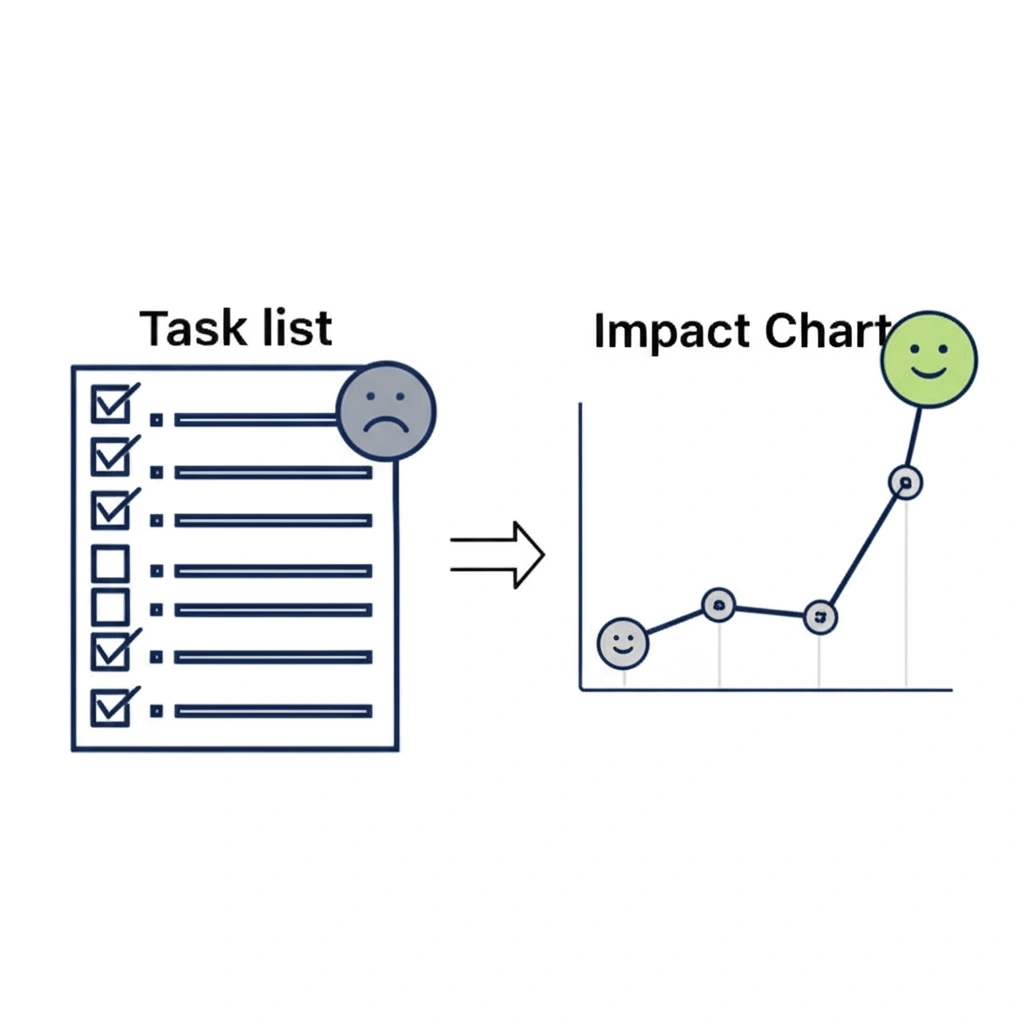
If you’d like more details on “Outcome over Output”, this article is for you.
Individual Goals, NOT Individual OKRs
A common mistake in modern performance systems is trying to assign OKRs all the way down to individual contributors. But OKRs were never meant to be personal task trackers.
OKRs are for teams, or pods. Not for individuals.
Unless you’re on the executive team setting strategy, you shouldn’t have personal OKRs. Objectives should reach the individual, but not as a cascade of broken-down key results. Instead, individuals should align themselves with team outcomes, and contribute meaningfully to them.
Plans for Individuals: Think Long-Term Outcomes, Execute daily
Individuals should absolutely have goals. But those goals should look different:
- Long-term development goals: What skills are you building? What kind of impact do you want to have? Are we working enough on the superpowers everyone has? Are there weakness that holds us back?
- Outcome alignment: How can you best contribute to your team’s success?
- Career clarity: Are your efforts taking you closer to the next step in your role or career path?
These goals help guide growth and learning, not just execution.
Don’t Reduce People to Subtasks
When companies assign OKRs to individuals, they often fall into the trap of:
- Creating fake “mini OKRs” derived from team goals.
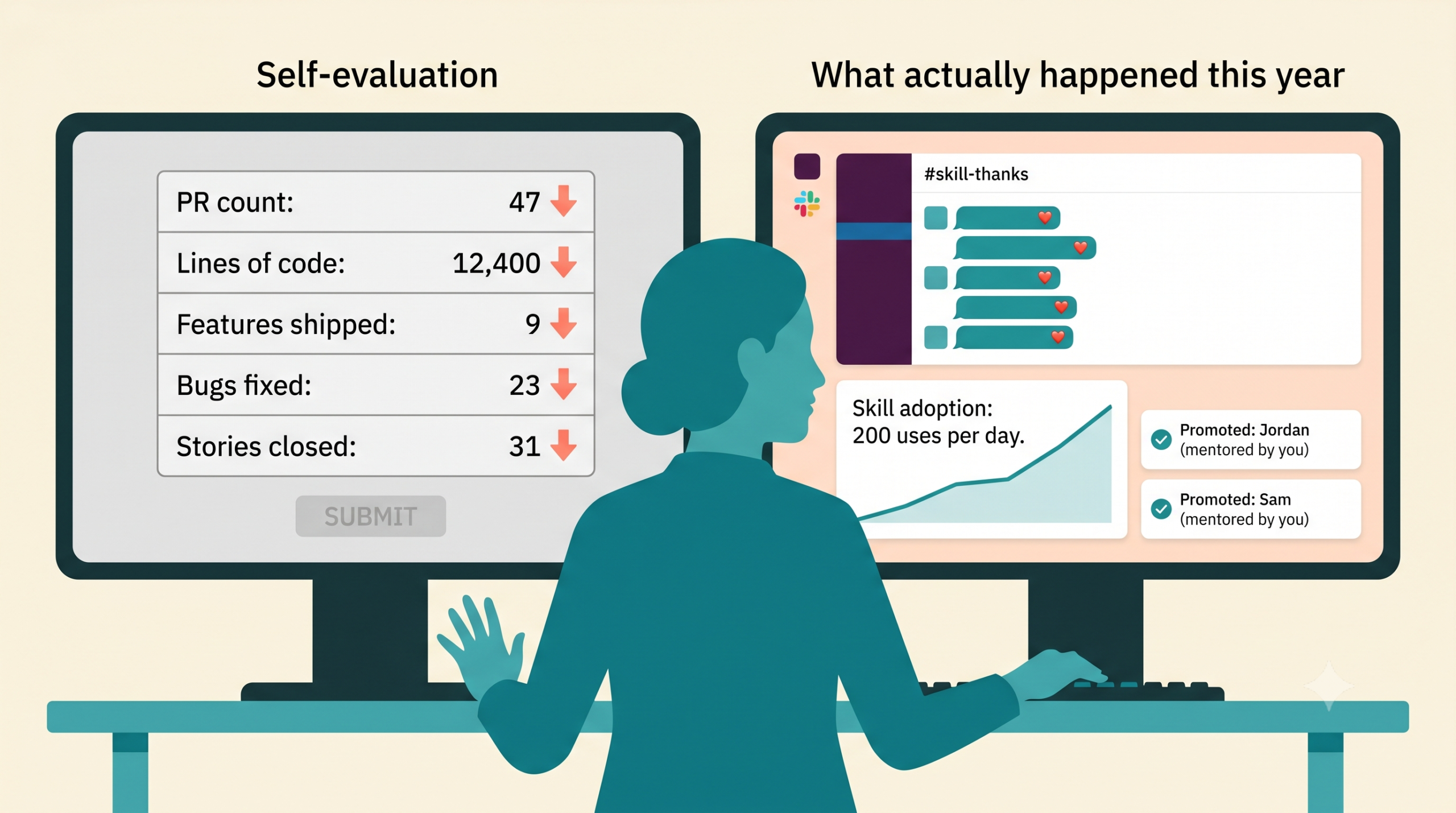
- Tracking task completion instead of real impact.
- Pitting individuals against each other for visibility.
This undermines collaboration and discourages long-term thinking.
Pods, Not Silos
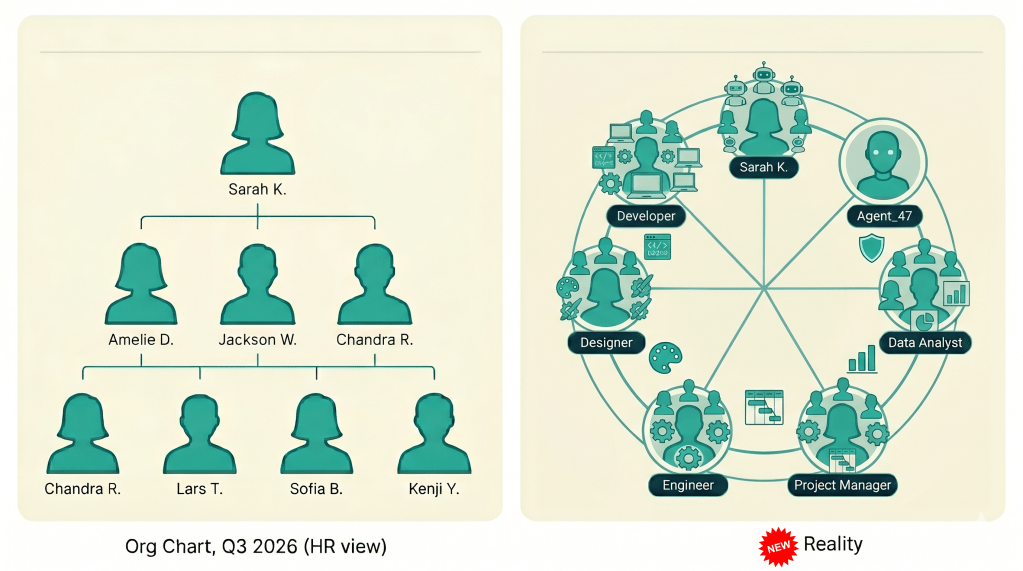
In Branco, we think in terms of pods: cross-functional teams that own meaningful objectives together. Real performance happens when individuals amplify their pod’s success, not when they chase isolated metrics.
The fastest way to grow your career? Increase your impact on your pod’s outcome. Not your own checklist.
When the team wins, you win.

NOTE: “branco” means “pod” in Italian, Spanish and Portuguese… that’s where our name comes from.
How Branco Helps Teams Align and Individuals Grow
Branco.ai helps you design a performance system where individuals grow by driving real team outcomes, not by chasing task-based metrics.
Here’s how:
OKRs for Pods, Not People
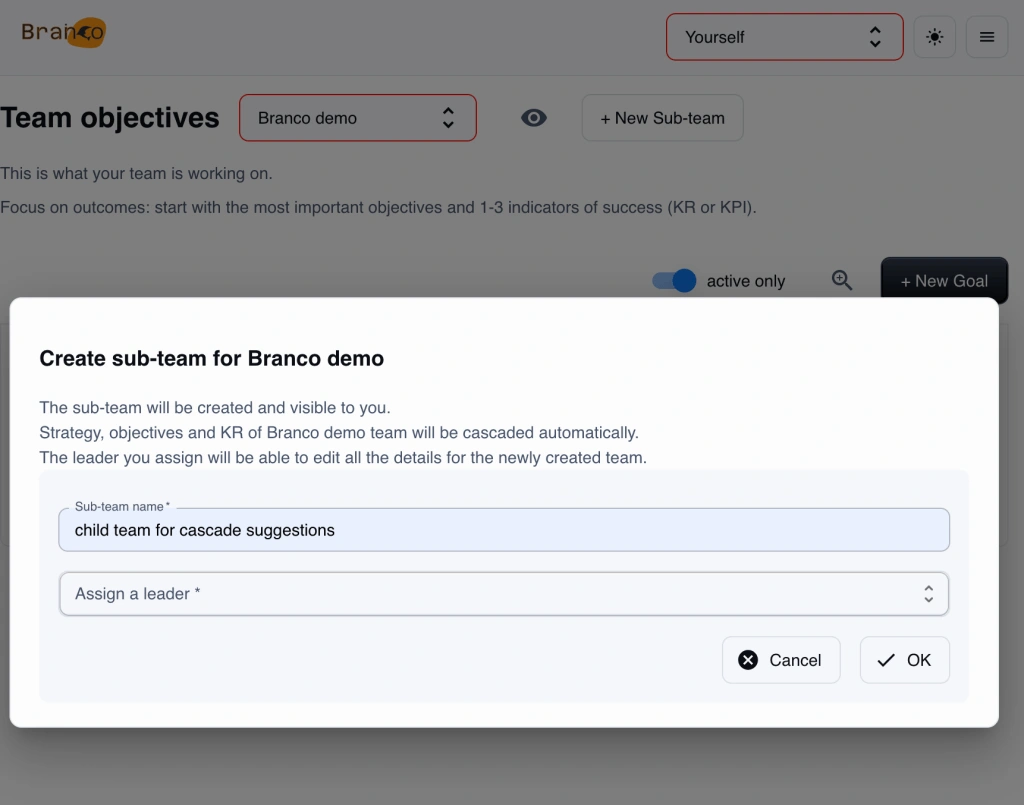
Branco lets you define team or pod-level Objectives that reflect business priorities. It supports top-down alignment with bottom-up ownership, allowing teams to shape how they contribute to strategy.
Clear Strategy, Healthy Iteration
Executives can define strategic Objectives, then cascade them as suggested intent, not rigid mandates. Branco encourages teams editing and alignment loops between layers, helping teams arrive at OKRs they actually own.
Development Goals for Individuals
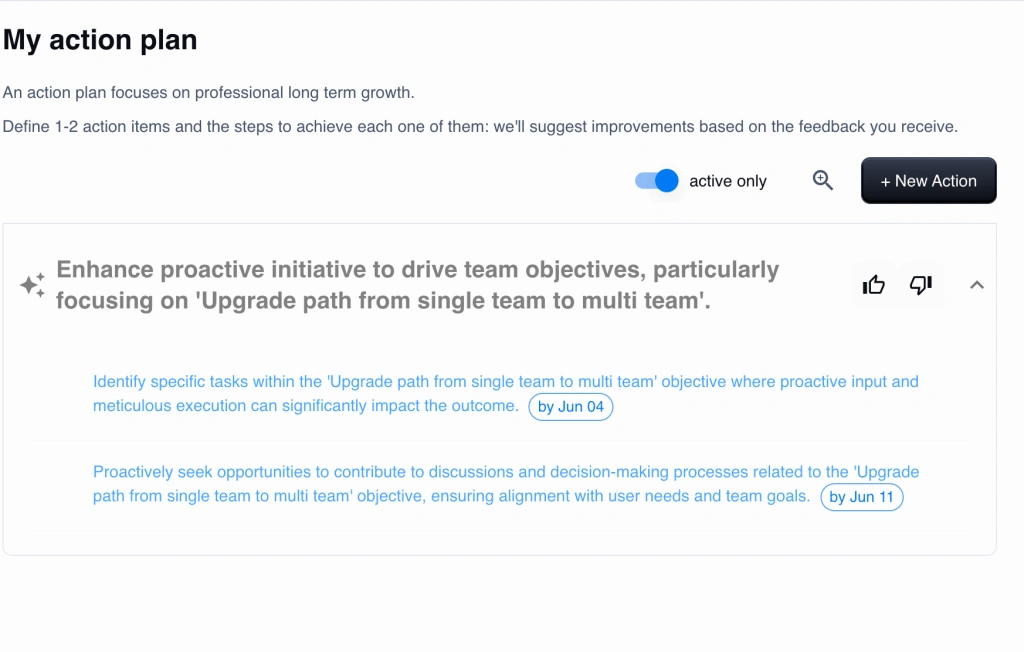
Branco automatically aligns the pod performance with the user potential. While teams focus on OKRs, individuals build their growth plan: long-term skills, feedback-driven behaviours, and career direction. Everyone’s path is personalized, but grounded in shared outcomes and action items are linked to daily execution driven by team Objectives.
Feedback That Connects to Real Work
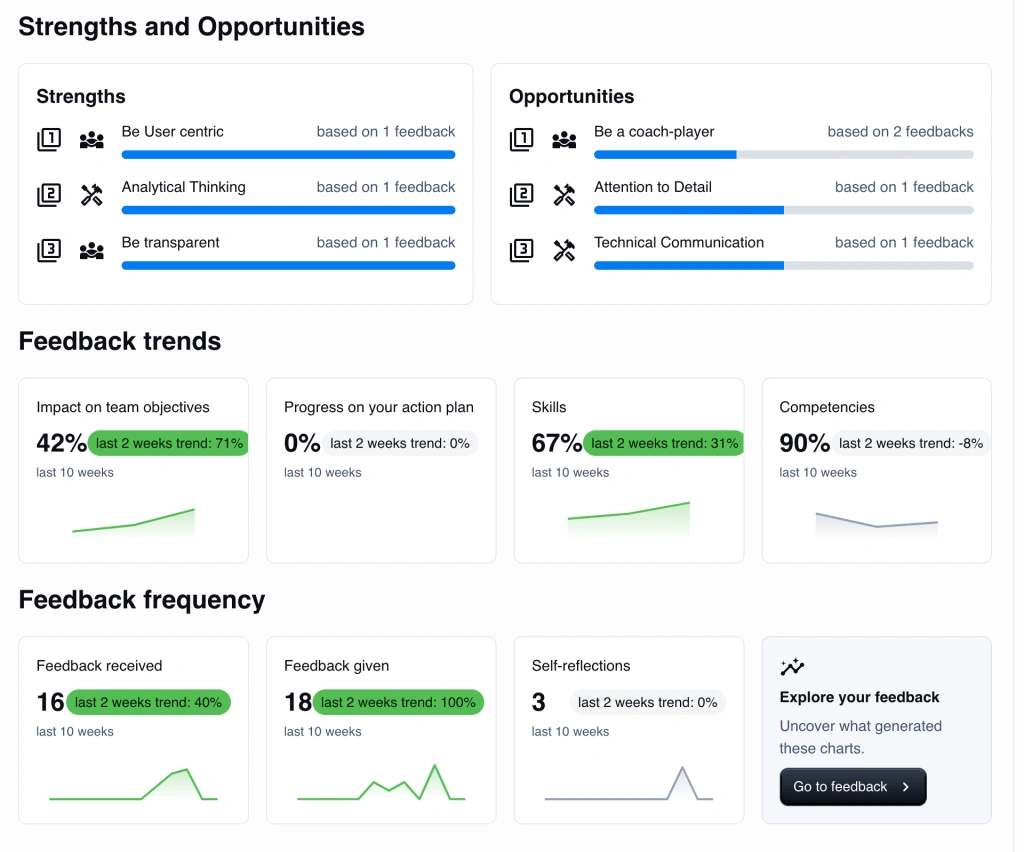
Branco integrates continuous feedback loops that tie directly to team Objectives and impact: no isolated scorecards, no end-of-quarter surprises.
Skills That Evolve With the Team
Branco’s customizable competency and skill matrices help define what “great” looks like, at the team level and for each role. Growth has context, not just checkboxes.
Conclusion: Grow Your Career by Growing the Pod
The most effective goal systems recognize a simple truth: real performance happens in groups, not in silos. OKRs are tools for team alignment and business acceleration, not personal task lists.
That’s why Branco focuses on pods. When cross-functional teams own outcomes together, individuals are free to focus on how they contribute, how they grow, and how they evolve in their careers.
It’s not about assigning Objectives to every person, it’s about giving people the space and clarity to amplify their team’s success.
That’s how careers grow.
That’s how businesses scale.
That’s Branco.
Next Up:
Episode 4 – Build the Plan: Turning Feedback into Action
We’ll talk about Individual Action Plan structure: Goal → Business Impact → Actions → Feedback.